


- Kansai(Osaka Suburbs)
- Kyoto
- Tourist Attractions
Ginkaku-ji Temple
Ginkaku-ji Temple, also known as the Silver… Listed as Tourist Attractions in Kansai(Osaka Suburbs)
0.00
Basic Information
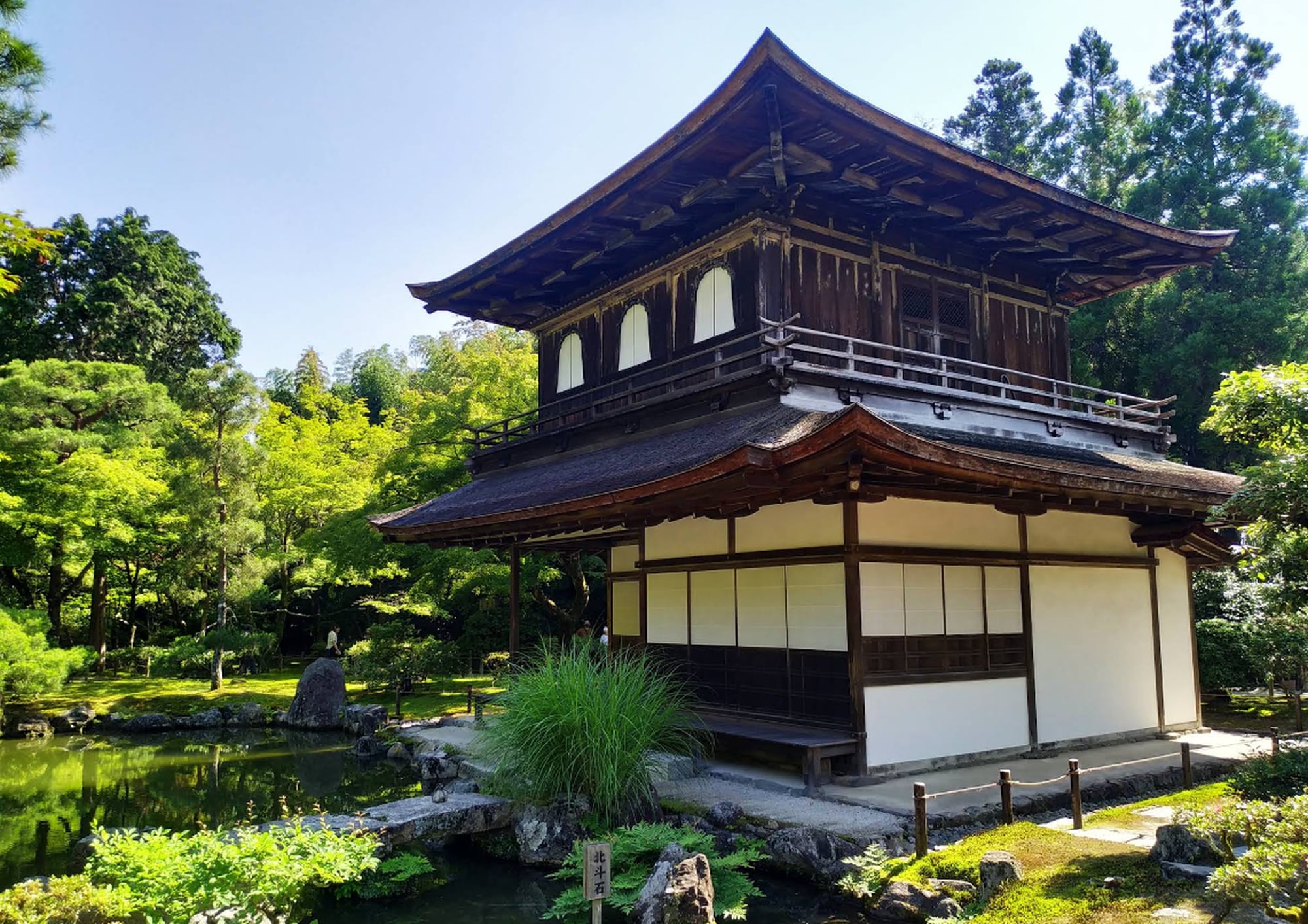
Ginkaku-ji Temple, also known as the Silver Pavilion, is one of Kyoto's most famous Zen Buddhist temples, located in the Higashiyama area of Sakyo Ward. Officially named Jisho-ji Temple, it is part of the UNESCO World Heritage Site known as the Historic Monuments of Ancient Kyoto. The temple is celebrated for its traditional architecture, beautiful Japanese gardens, and the refined artistic culture of the Muromachi period.
The temple's history dates back to 1482, when Ashikaga Yoshimasa, the eighth shogun of the Muromachi shogunate, began constructing a retirement villa called Higashiyama-den. Following his death in 1490, the villa was transformed into a Zen Buddhist temple. Ginkaku-ji became an important symbol of Higashiyama culture, which influenced Japanese traditions such as the tea ceremony, flower arrangement, architecture, and garden design.
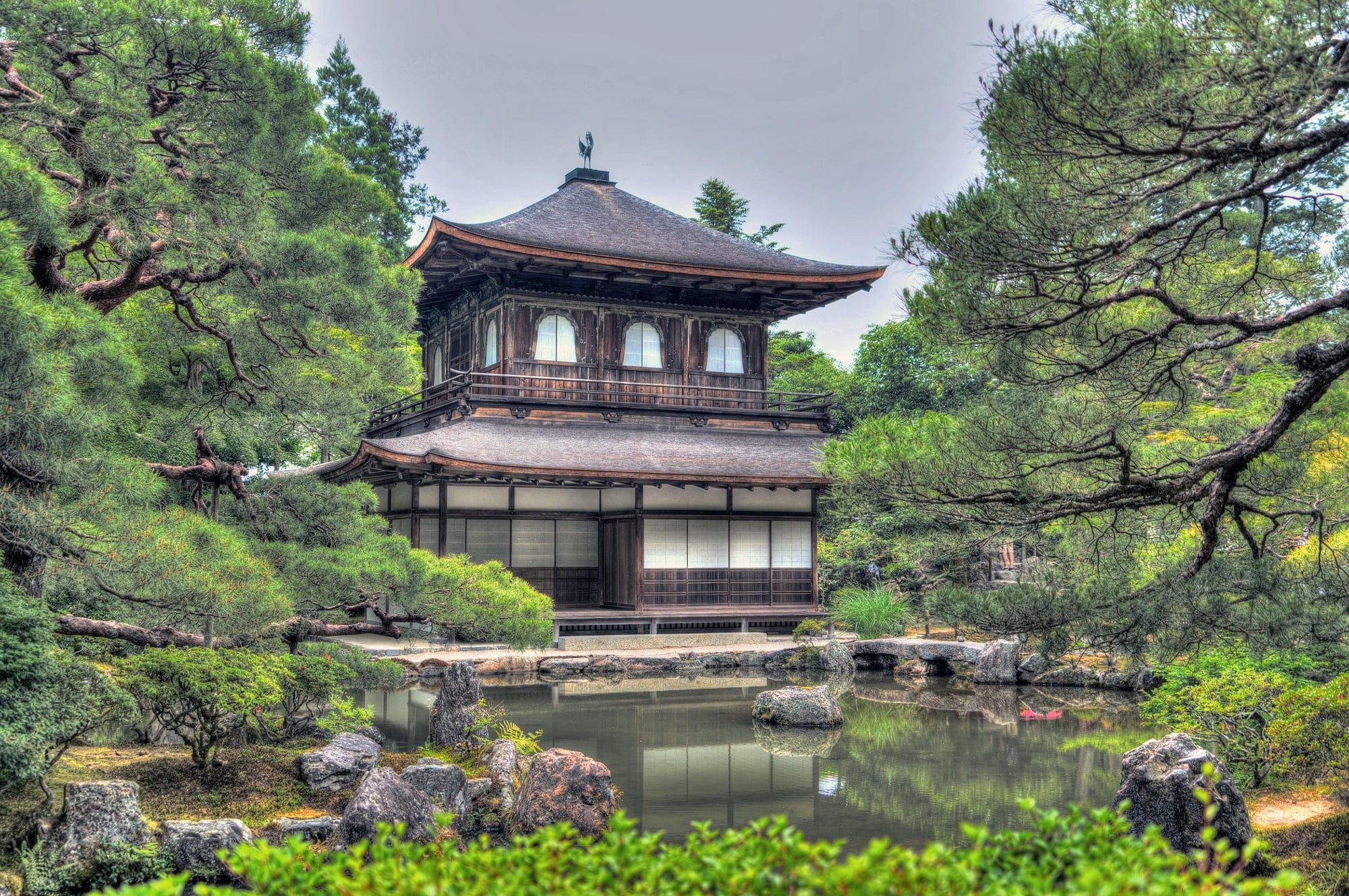
The most recognizable building is the two-story Silver Pavilion, officially known as Kannon-den. Despite its name, the pavilion is not covered in silver. Unlike the golden exterior of Kinkaku-ji Temple, Ginkaku-ji features natural wooden architecture that reflects the Japanese aesthetic of wabi-sabi, which values simplicity, subtle beauty, and imperfection.
One of the temple's most distinctive attractions is its carefully maintained white sand garden. Known as Ginshadan, the garden features beautifully raked sand patterns, alongside a large cone-shaped sand mound called Kogetsudai. These elegant formations are traditionally associated with the beauty of moonlight and are among the most recognizable garden features in Kyoto.
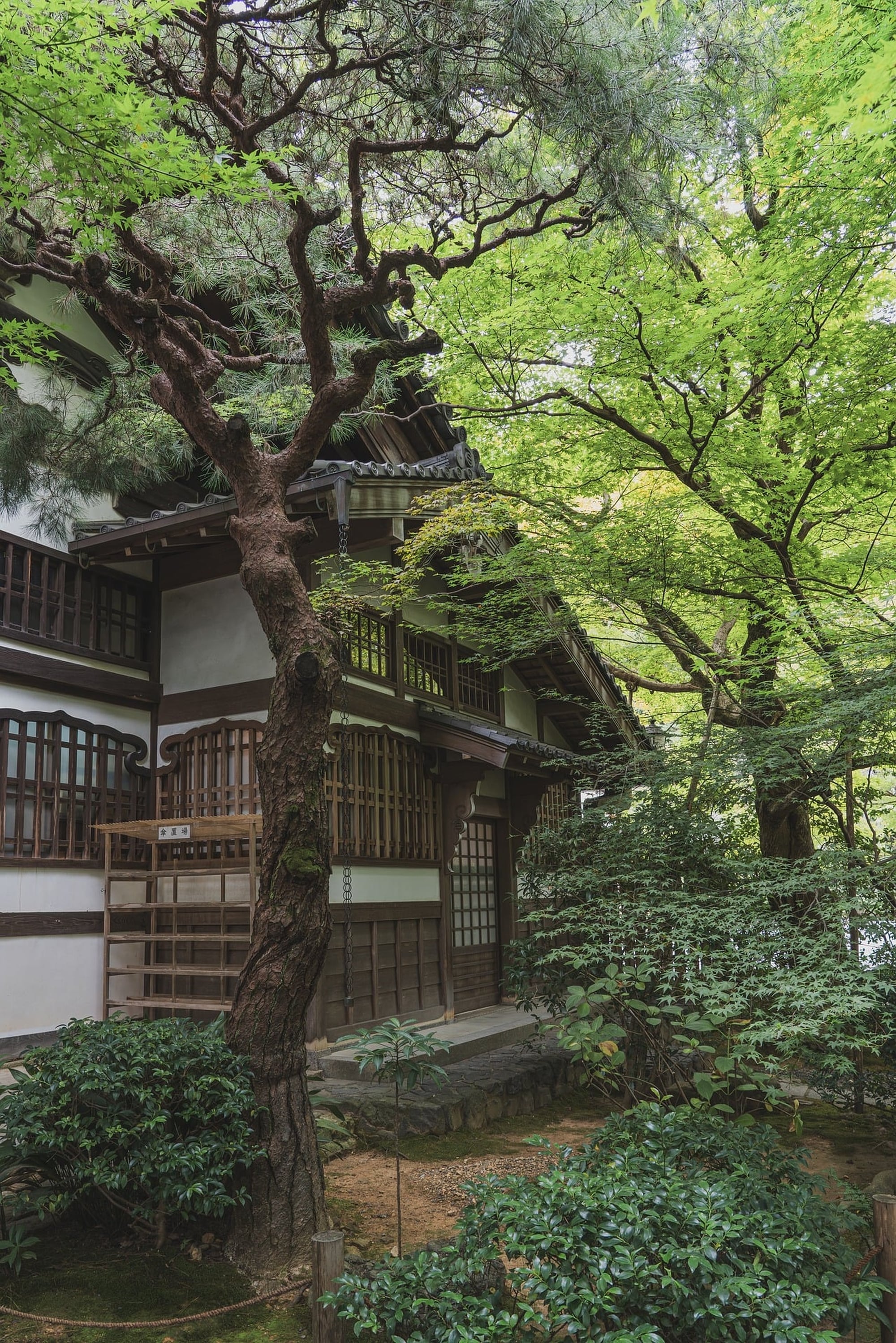
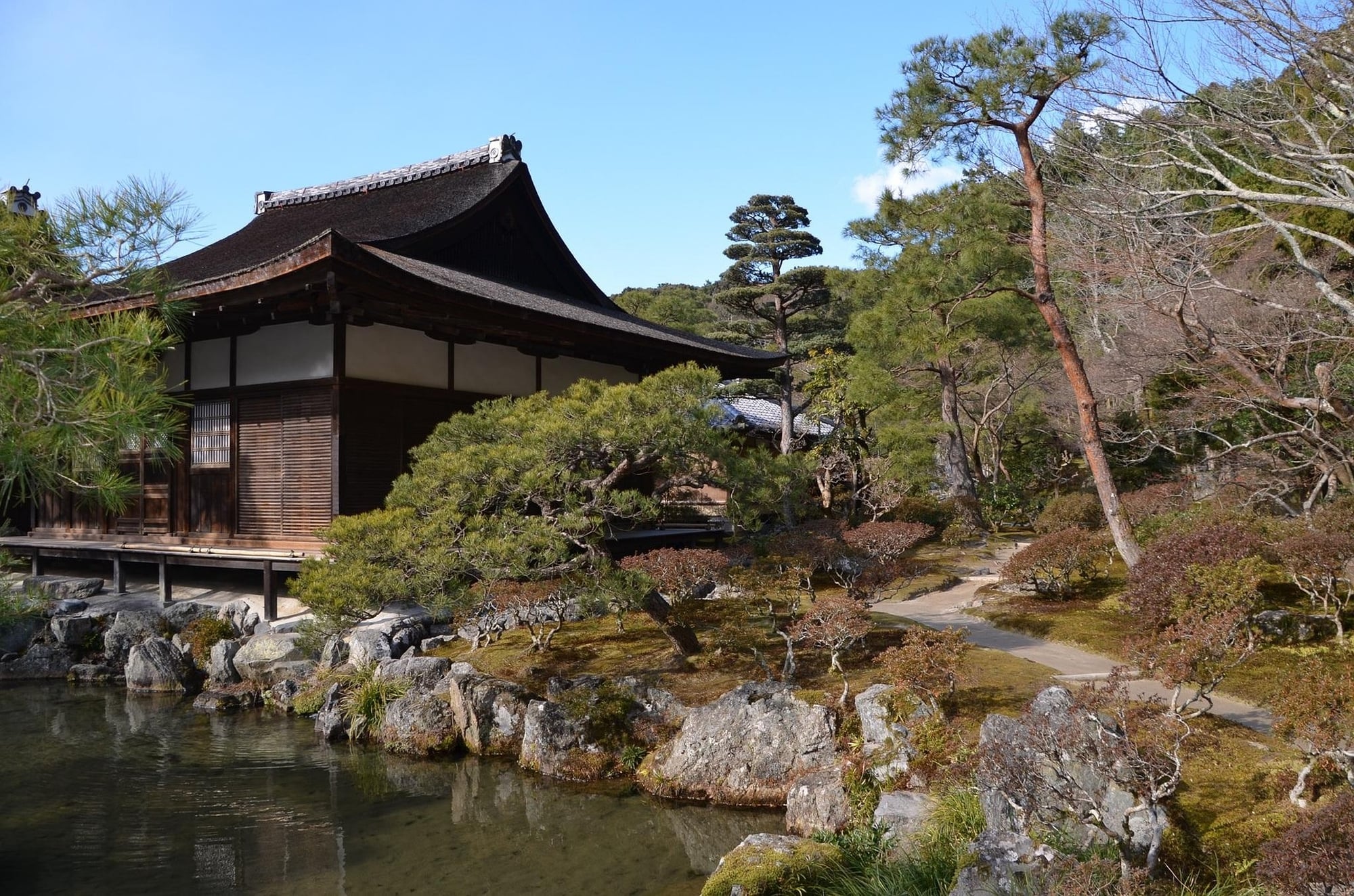
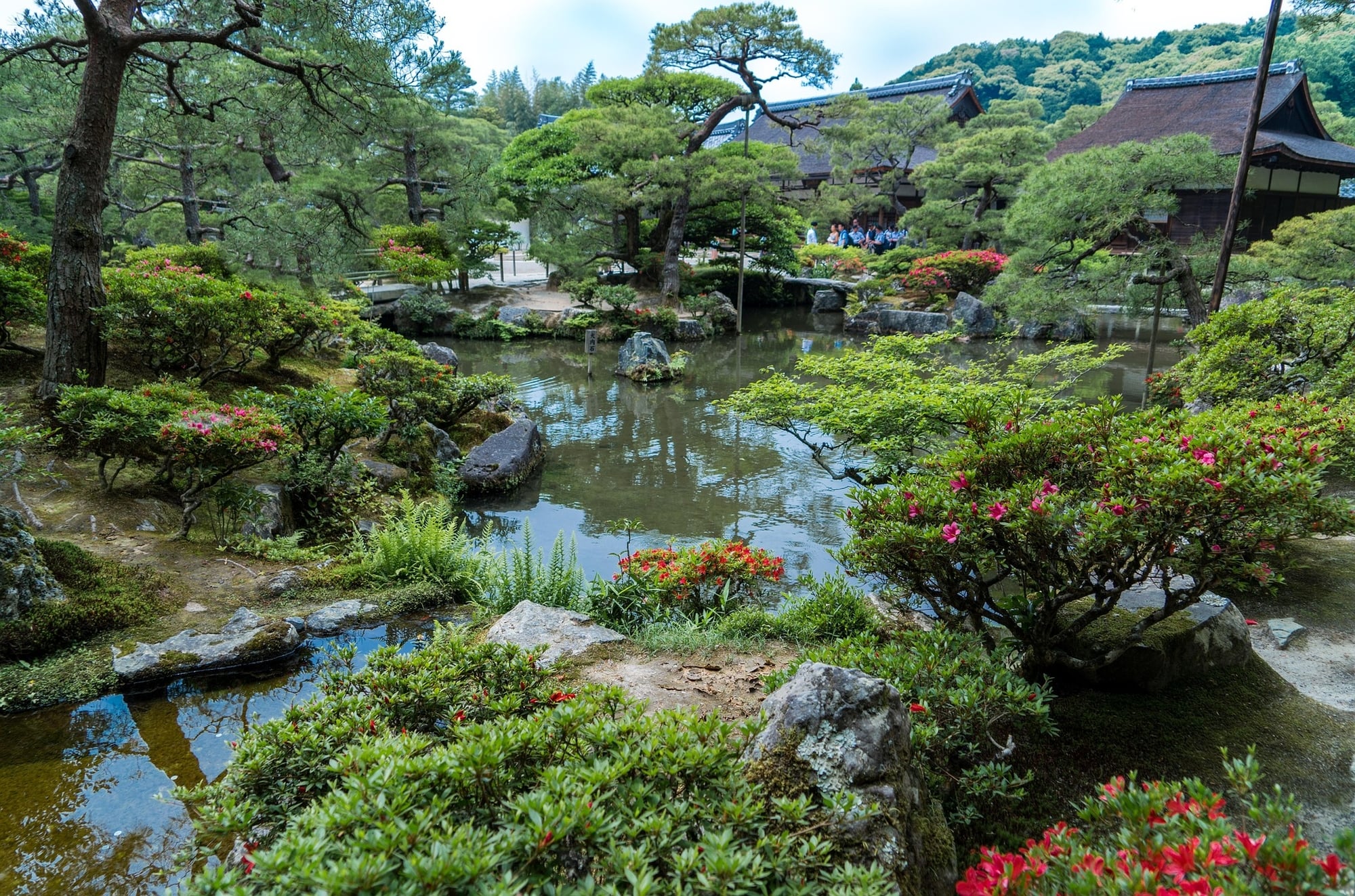
Visitors can also admire the Togudo, a historic building designated as a National Treasure, and walk through peaceful gardens filled with moss, pine trees, ponds, and seasonal plants. A winding pathway leads up the hillside to a scenic viewpoint overlooking the Silver Pavilion and the surrounding city landscape.
Ginkaku-ji is located near the northern end of the famous Philosopher's Path, a picturesque walking route along a canal lined with cherry trees. Combining the elegance of traditional Japanese architecture, Zen garden culture, and natural scenery, Ginkaku-ji is an excellent destination for travelers who want to experience the quieter and more artistic side of Kyoto.
Monkey Tips
For a beautiful view of the Silver Pavilion, follow the garden path up to the hillside observation point. From here, you can admire the traditional wooden pavilion, the surrounding gardens, and the Kyoto cityscape from above. The elevated viewpoint offers a different perspective from the famous pond-side view.
Don't miss the unique white sand garden near the main hall. The carefully raked Ginshadan and the cone-shaped Kogetsudai are two of Ginkaku-ji's most distinctive features. These formations are traditionally associated with moonlight, making them especially interesting for visitors who appreciate Japanese garden design.
After exploring Ginkaku-ji, consider walking along the nearby Philosopher's Path. This scenic canal-side route stretches for approximately 2 kilometers and is especially beautiful during the cherry blossom season. Allow around 30–60 minutes to enjoy the temple and additional time if you plan to explore the surrounding walking paths.
Location
Getting there
-
🚆 From Kyoto Station → Take the Subway Karasuma Line → Get off at Imadegawa Station (approximately 9 minutes) → Take Kyoto City Bus No. 203 from Karasuma Imadegawa → Get off at Ginkakuji-michi → Walk approximately 10 minutes to Ginkaku-ji Temple.
🚆 From Gion-Shijo Station → Take the Keihan Main Line toward Demachiyanagi → Get off at Demachiyanagi Station → Take Kyoto City Bus No. 7 or 203 → Get off at Ginkakuji-michi → Walk approximately 10 minutes.
🚆 From Kyoto-Kawaramachi Station → Walk to Keihan Gion-Shijo Station → Take the Keihan Main Line to Demachiyanagi Station → Transfer to Kyoto City Bus No. 7 or 203 → Get off at Ginkakuji-michi → Walk approximately 10 minutes.
🚆 From Fushimi Inari Taisha Shrine → Walk to Keihan Fushimi-Inari Station → Take the Keihan Main Line toward Demachiyanagi, transferring if necessary → Get off at Demachiyanagi Station → Take Kyoto City Bus No. 7 or 203 → Get off at Ginkakuji-michi → Walk approximately 10 minutes.
🚆 From Pontocho Alley → Walk to Keihan Gion-Shijo Station → Take the Keihan Main Line toward Demachiyanagi → Get off at Demachiyanagi Station → Transfer to Kyoto City Bus No. 7 or 203 → Get off at Ginkakuji-michi → Walk approximately 10 minutes.
🚆 From Osaka Station → Take the JR Kyoto Line to Kyoto Station → Transfer to the Subway Karasuma Line → Get off at Imadegawa Station → Take Kyoto City Bus No. 203 → Get off at Ginkakuji-michi → Walk approximately 10 minutes.
🚆 From Osaka-Umeda Station → Take the Hankyu Kyoto Line to Kyoto-Kawaramachi Station → Walk to Keihan Gion-Shijo Station → Take the Keihan Main Line to Demachiyanagi Station → Transfer to Kyoto City Bus No. 7 or 203 → Get off at Ginkakuji-michi → Walk approximately 10 minutes.
Map area
The map loads when you scroll here- 2 Ginkakujicho, Sakyo Ward, Kyoto, 606-8402, Japan
- +81757715725
- 08:30 ~ 17:00Opening hours vary by season. From March 1 to November 30, the temple is open from 08:30 to 17:00, with visitors required to leave by 17:20. From December 1 to the end of February, opening hours are 09:00 to 16:30, with visitors required to leave by 16:50. Special viewing events may have separate schedules.
- Admission 성인(고등학생 이상) 1,000엔 // 초등학생·중학생 500엔 // 초등학생 미만 무료 // 장애인 등 감면 대상자 100엔(증빙 및 적용 조건 확인) // 단체 할인 없음 // 특별 공개 관람: 별도 요금
Customer Reviews
Customer reviews
000
Write a review
Share your experience at this place.✍️
No reviews yet.
Be the first to share your experience!
Be the first to share your experience!


#content#