


- Kansai(Osaka Suburbs)
- Kyoto
- Tourist Attractions
Fushimi Inari Taisha Shrine
Fushimi Inari Taisha is one of Japan's most… Listed as Tourist Attractions in Kansai(Osaka Suburbs)
0.00
Basic Information
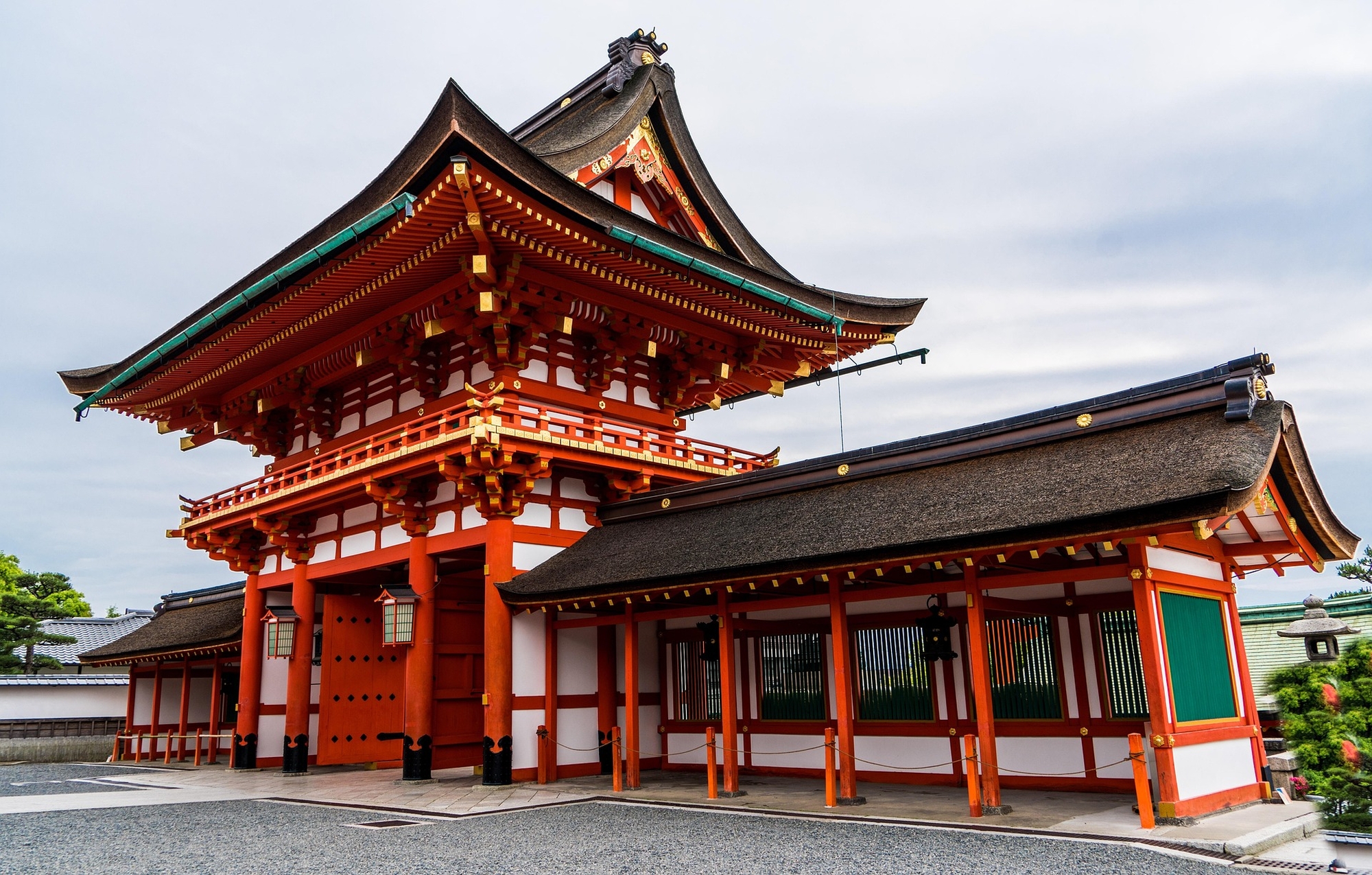
Fushimi Inari Taisha is one of Japan's most famous Shinto shrines, located in the southern part of Kyoto. Founded in 711, the shrine has more than 1,300 years of history and serves as the head shrine of approximately 30,000 Inari shrines throughout Japan. It is dedicated to Inari Okami, a deity associated with abundant harvests, business prosperity, and household well-being.
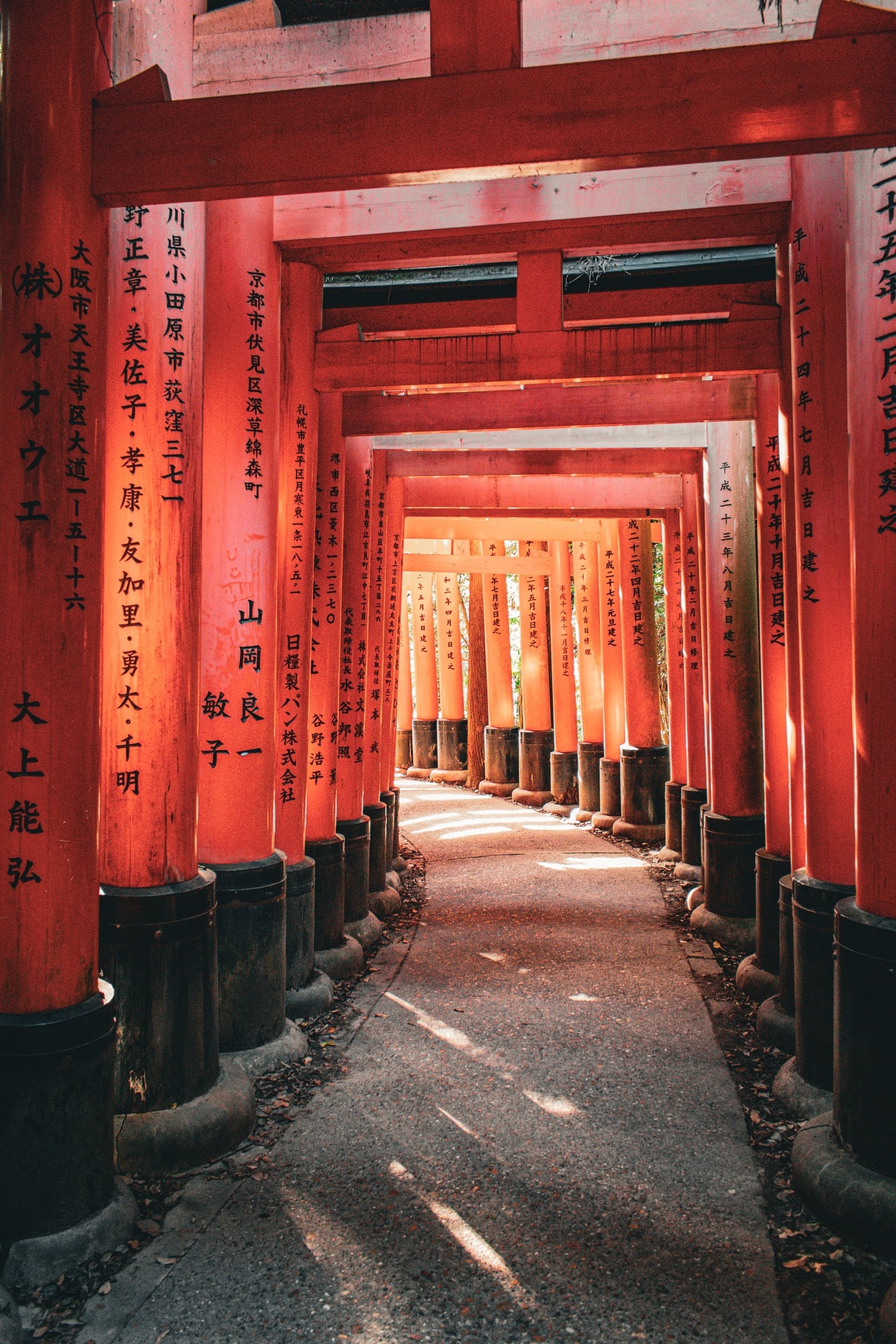
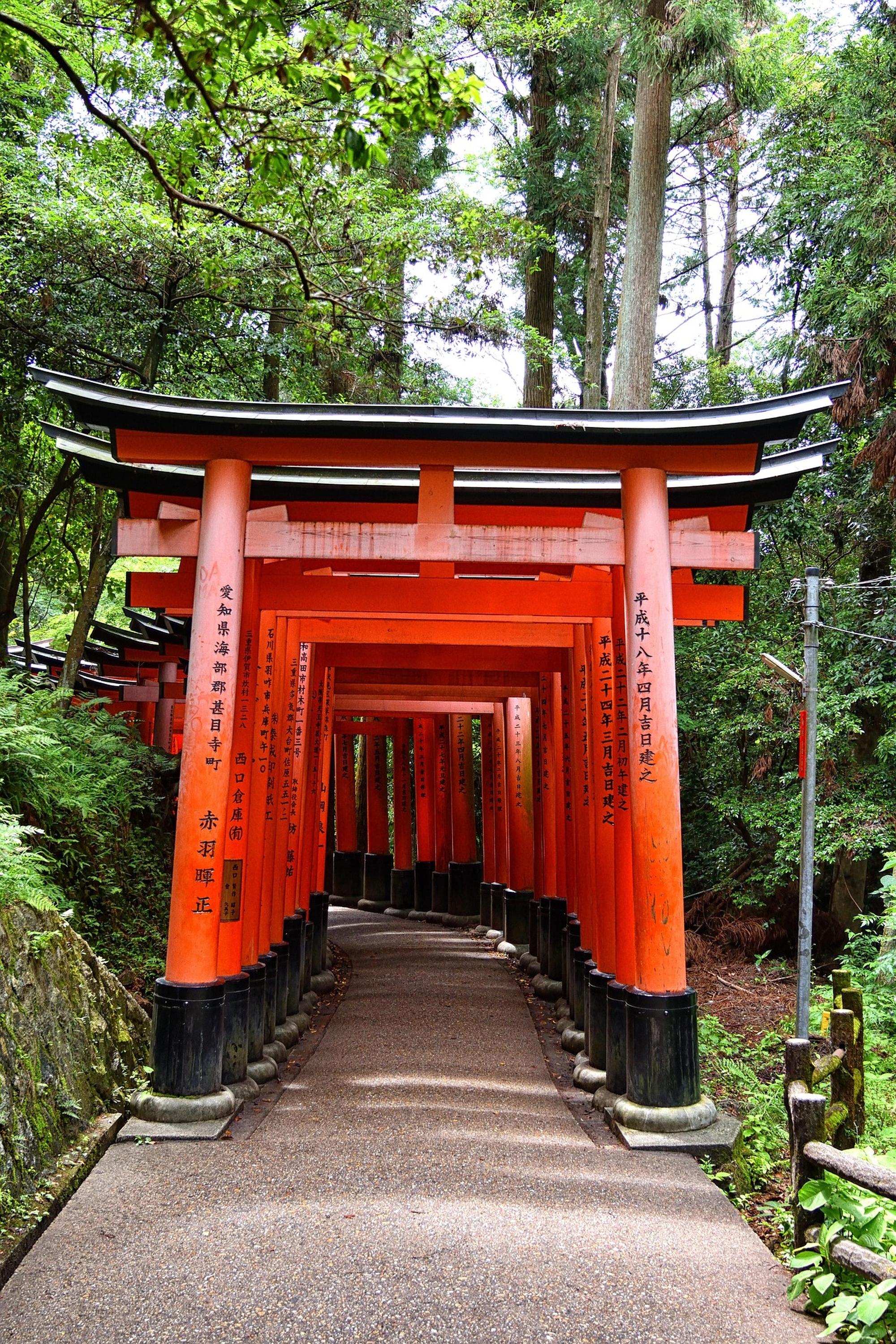
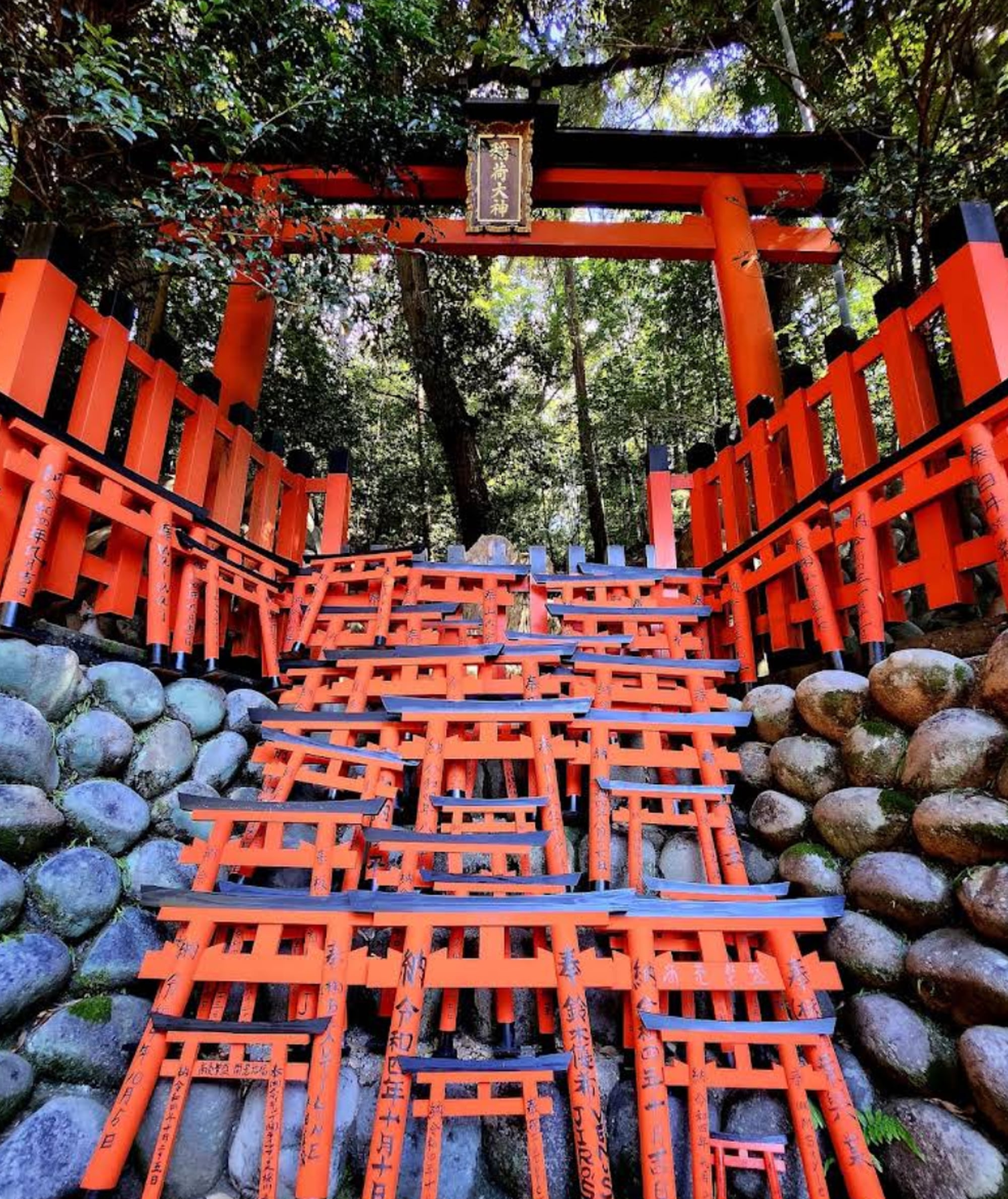
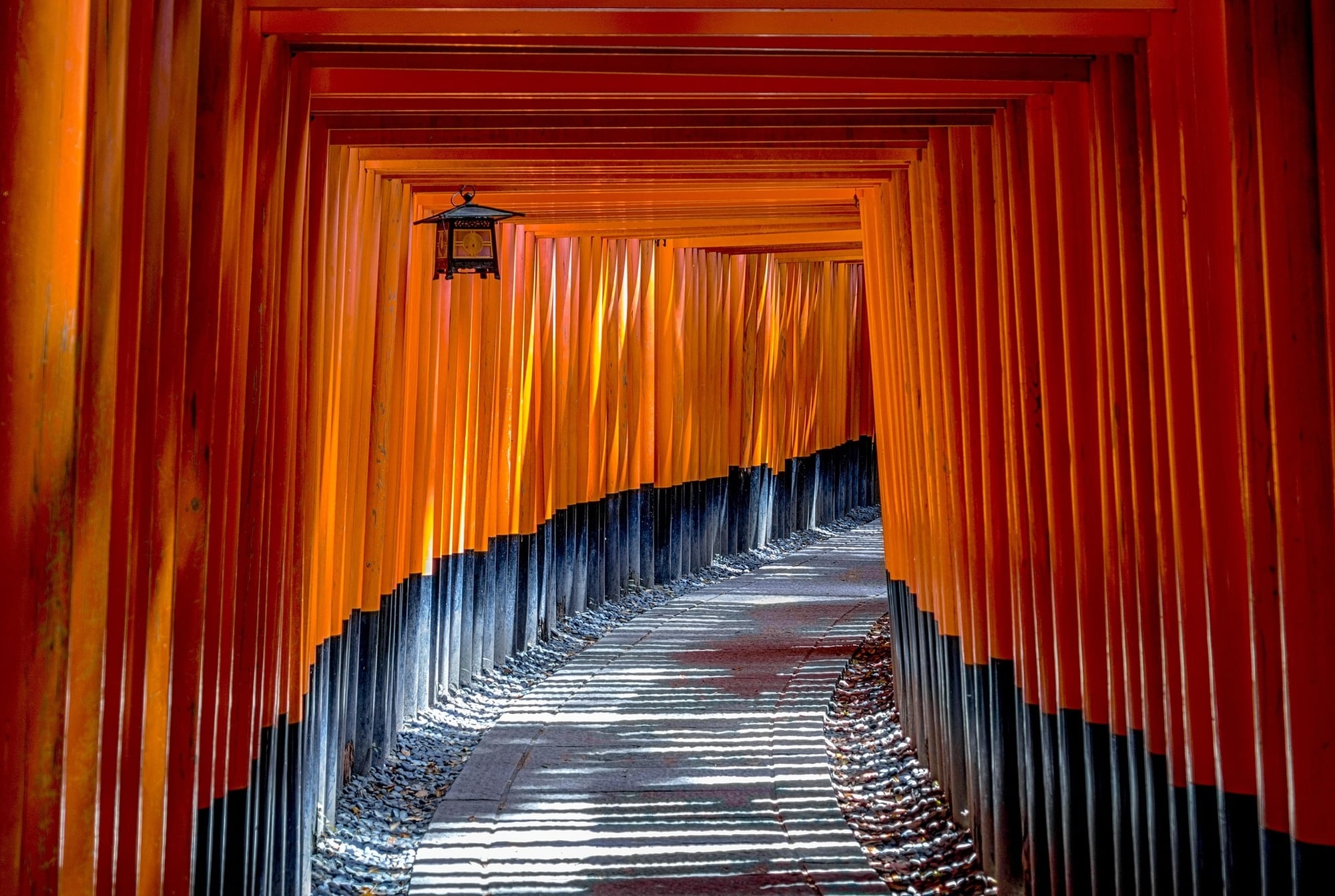
The shrine is especially famous for its spectacular pathway of vermilion torii gates, known as Senbon Torii. Thousands of bright red gates form a beautiful tunnel through the forest, creating one of the most recognizable landscapes in Japan. The gates have been donated by individuals and businesses as expressions of prayers and gratitude.
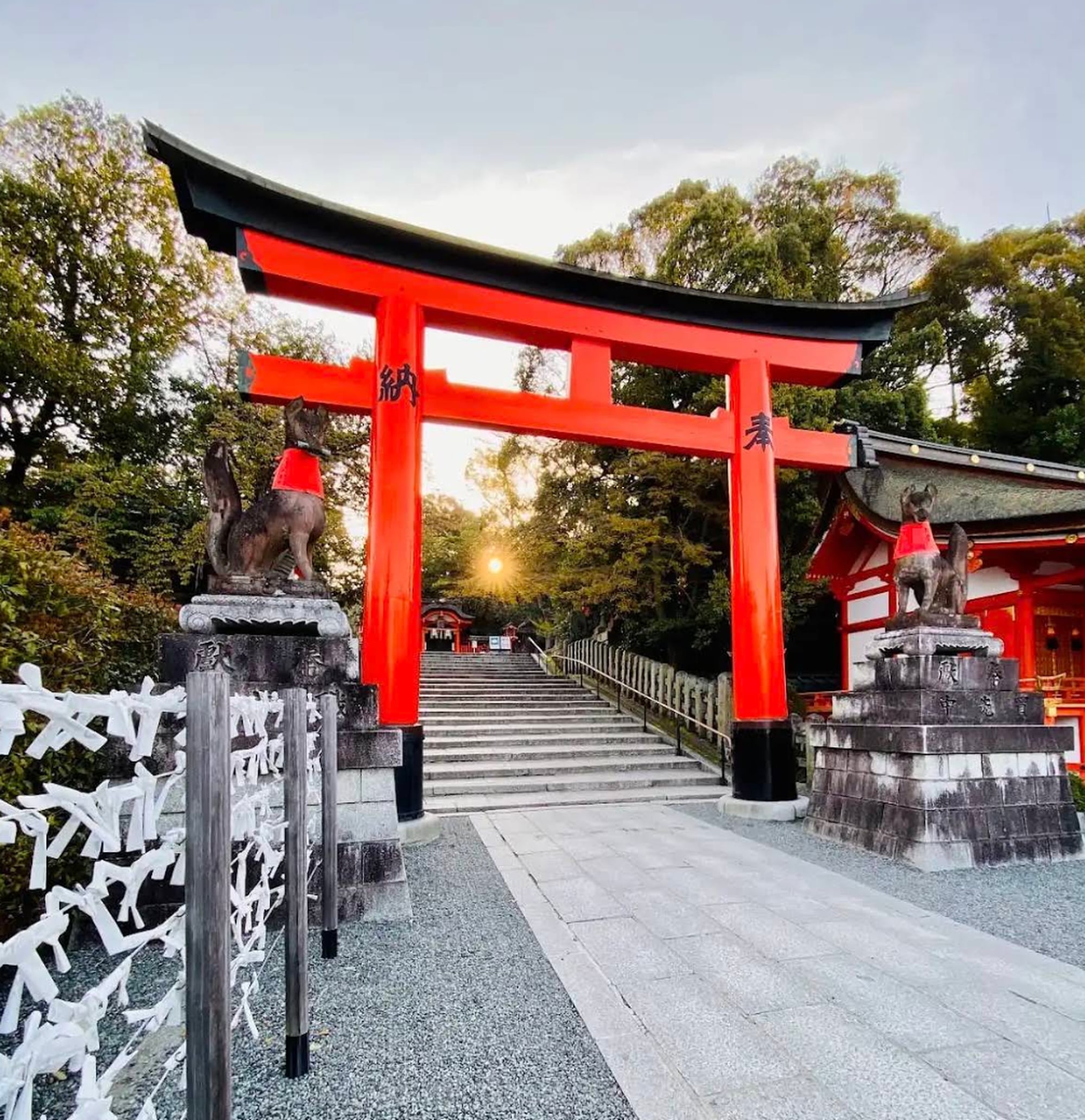
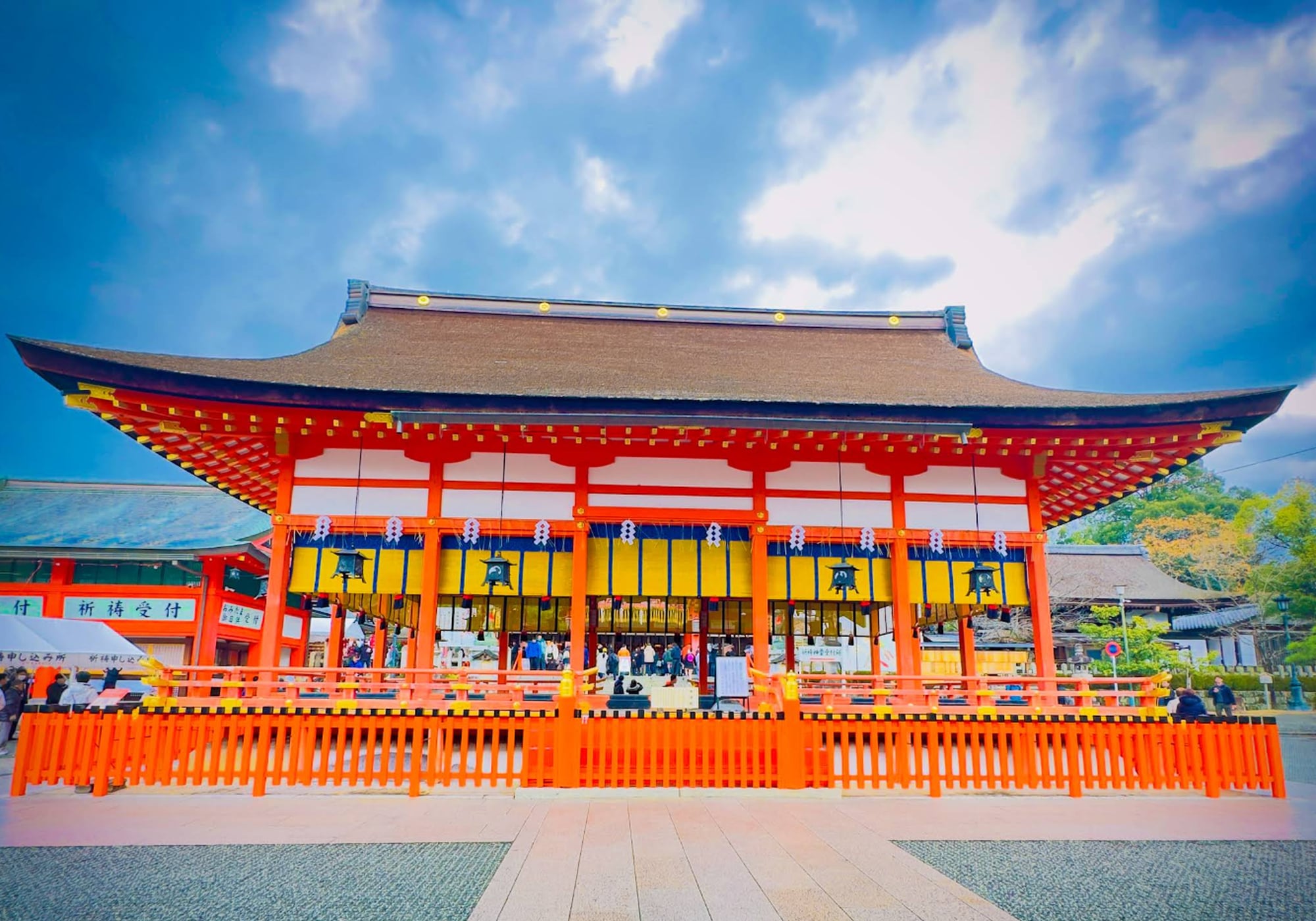
Visitors can explore the impressive Romon Gate, the historic main shrine buildings, and numerous smaller shrines scattered throughout the grounds. Fox statues can also be found in many areas, as foxes are regarded as sacred messengers of Inari Okami.
Beyond the main shrine, the torii pathways continue up Mount Inari, a sacred mountain standing approximately 233 meters above sea level. Along the route, visitors can discover peaceful forest scenery, traditional stone monuments, smaller worship sites, and viewpoints overlooking Kyoto.
Combining spiritual traditions, historic architecture, and the unforgettable scenery of thousands of red torii gates, Fushimi Inari Taisha is an essential sightseeing destination for travelers visiting Kyoto for the first time.
Monkey Tips
For beautiful photos of the red torii gates, visit early in the morning when the pathways are usually less crowded. The famous Senbon Torii section near the main shrine is especially photogenic.
Don't miss the Omokaruishi wishing stones near Okusha Hohaisho, just beyond the Senbon Torii. Make a wish, then lift the stone on top of the lantern. According to tradition, if it feels lighter than expected, your wish is more likely to come true.
Allow around 45–90 minutes to enjoy the main shrine and lower torii pathways. If you want to explore the mountain trails, plan approximately 2–3 hours and wear comfortable walking shoes.
Location
Getting there
-
🚆 From Kyoto Station → Take the JR Nara Line → Get off at Inari Station (2 stops, approximately 5–9 minutes) → Walk directly to Fushimi Inari Taisha Shrine.
🚆 From Gion-Shijo Station → Take the Keihan Main Line toward Osaka → Get off at Fushimi-Inari Station → Walk approximately 5 minutes east to the shrine.
🚆 From Kyoto-Kawaramachi Station → Walk to Keihan Gion-Shijo Station → Take the Keihan Main Line → Get off at Fushimi-Inari Station → Walk approximately 5 minutes.
🚆 From Kiyomizu-Gojo Station → Take the Keihan Main Line → Get off at Fushimi-Inari Station → Walk approximately 5 minutes to the shrine.
🚆 From Osaka Station → Take the JR Kyoto Line to Kyoto Station → Transfer to the JR Nara Line → Get off at Inari Station → Walk directly to the shrine.
🚆 From Yodoyabashi Station (Osaka) → Take the Keihan Main Line toward Kyoto, using a service or connection that stops at Fushimi-Inari Station → Walk approximately 5 minutes.
🚄 From Tokyo Station → Take the Tokaido Shinkansen to Kyoto Station → Transfer to the JR Nara Line → Get off at Inari Station → Walk directly to the shrine.
Map area
The map loads when you scroll here- 68 Fukakusa Yabunouchicho, Fushimi Ward, Kyoto, 612-0882, Japan
- +81756417331
- 00:01 ~ 23:59The shrine grounds and Senbon Torii pathways are generally accessible 24 hours a day throughout the year. Shrine offices, amulet counters, goshuin services, and nearby shops operate during separate daytime hours. Some mountain paths are poorly lit after sunset, so daytime visits are recommended for hiking.
Customer Reviews
Customer reviews
000
Write a review
Share your experience at this place.✍️
No reviews yet.
Be the first to share your experience!
Be the first to share your experience!


#content#