


- Chiangmai
- Etc.
- Tourist Attractions
- Landmark
Doi Pui View Point
- Operating Hours: Daily from 8:00 AM to 5:00 PM (Since… Listed as Landmark in Chiangmai. View opening hours, location and map details before your visit.
Basic Information
- Admission Fee: Free entry to the general village market area; a small maintenance fee of 10 THB per person is required to access the inner manicured tribal gardens and waterfall sector.
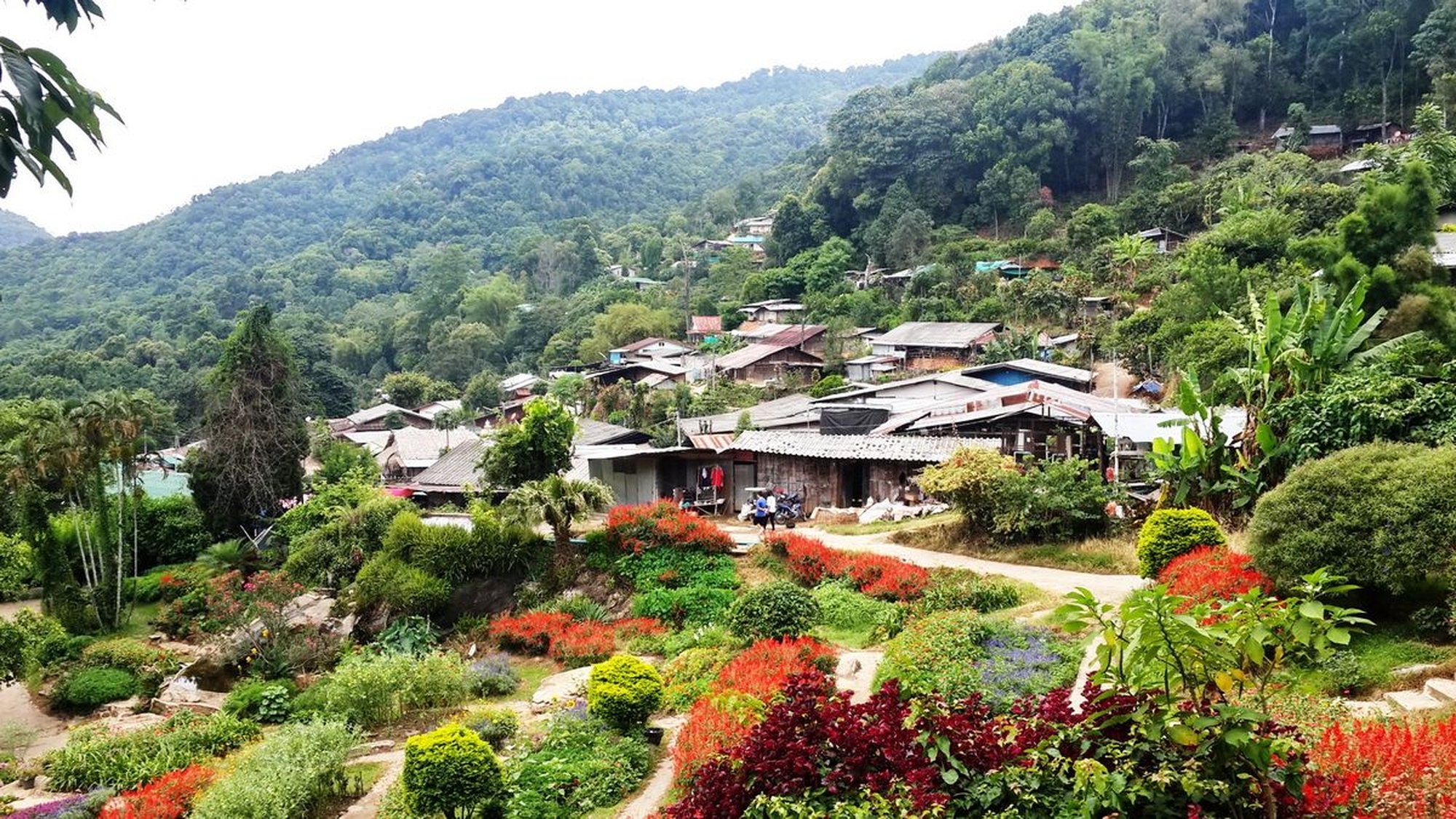
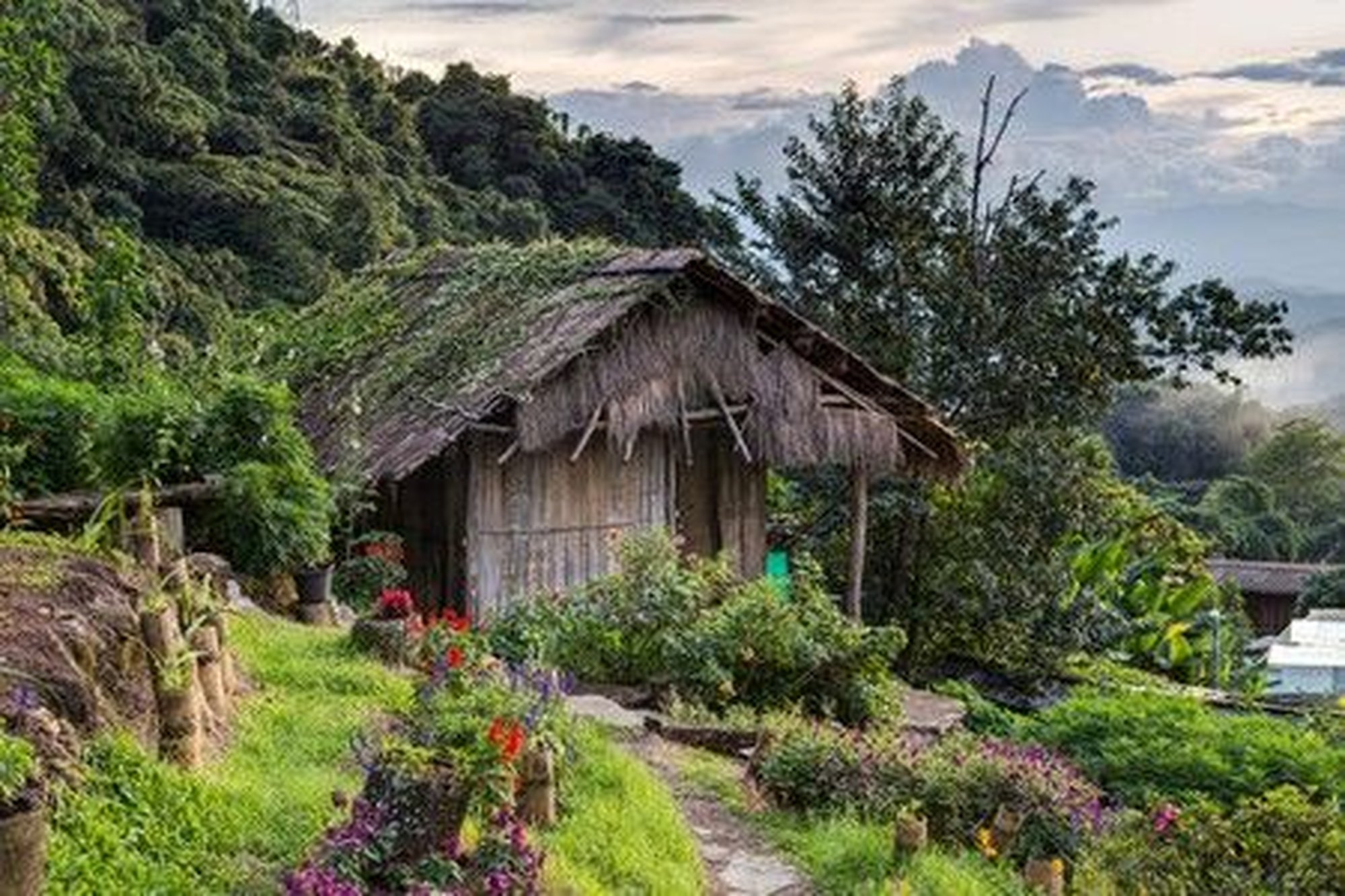
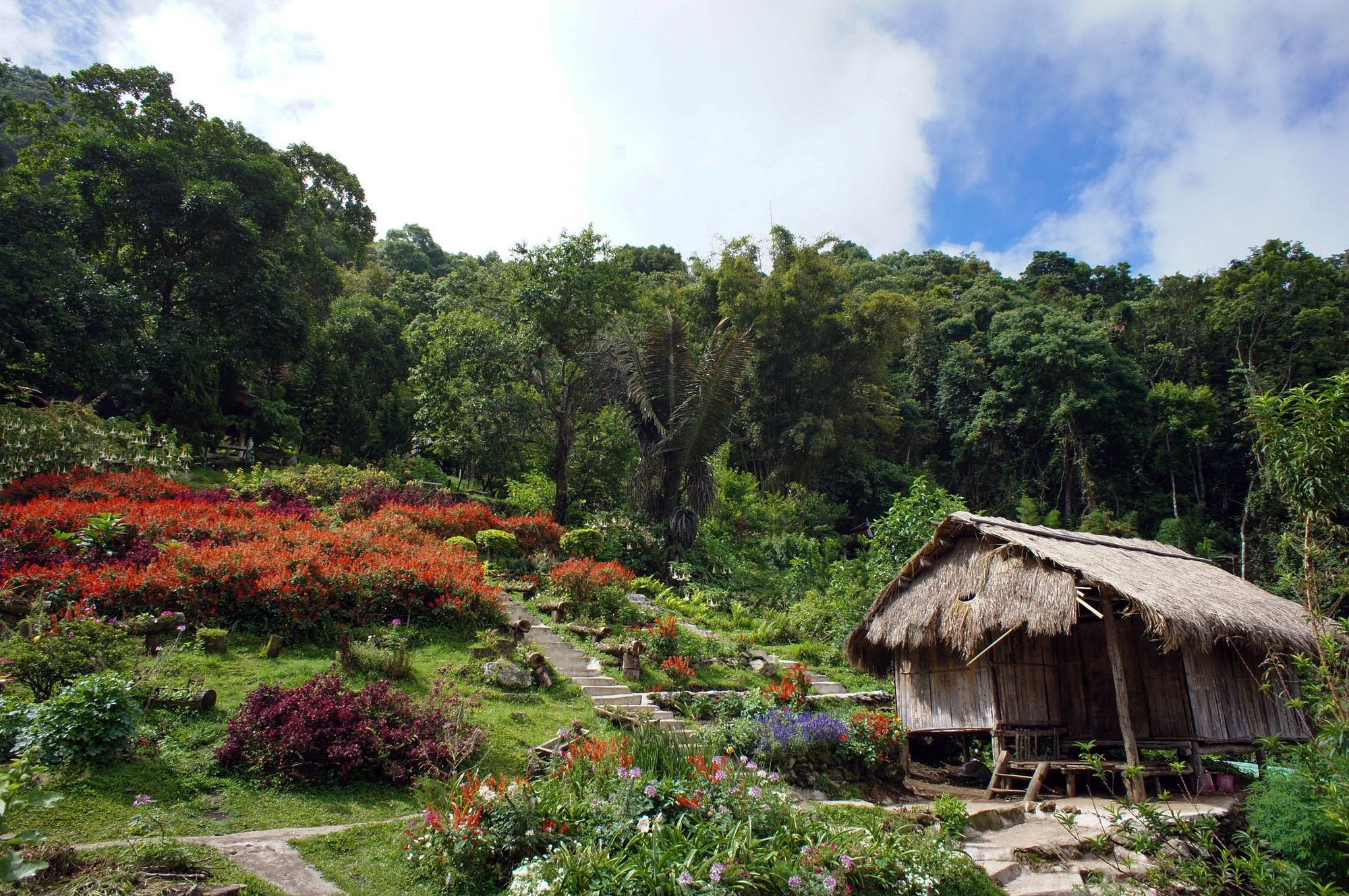
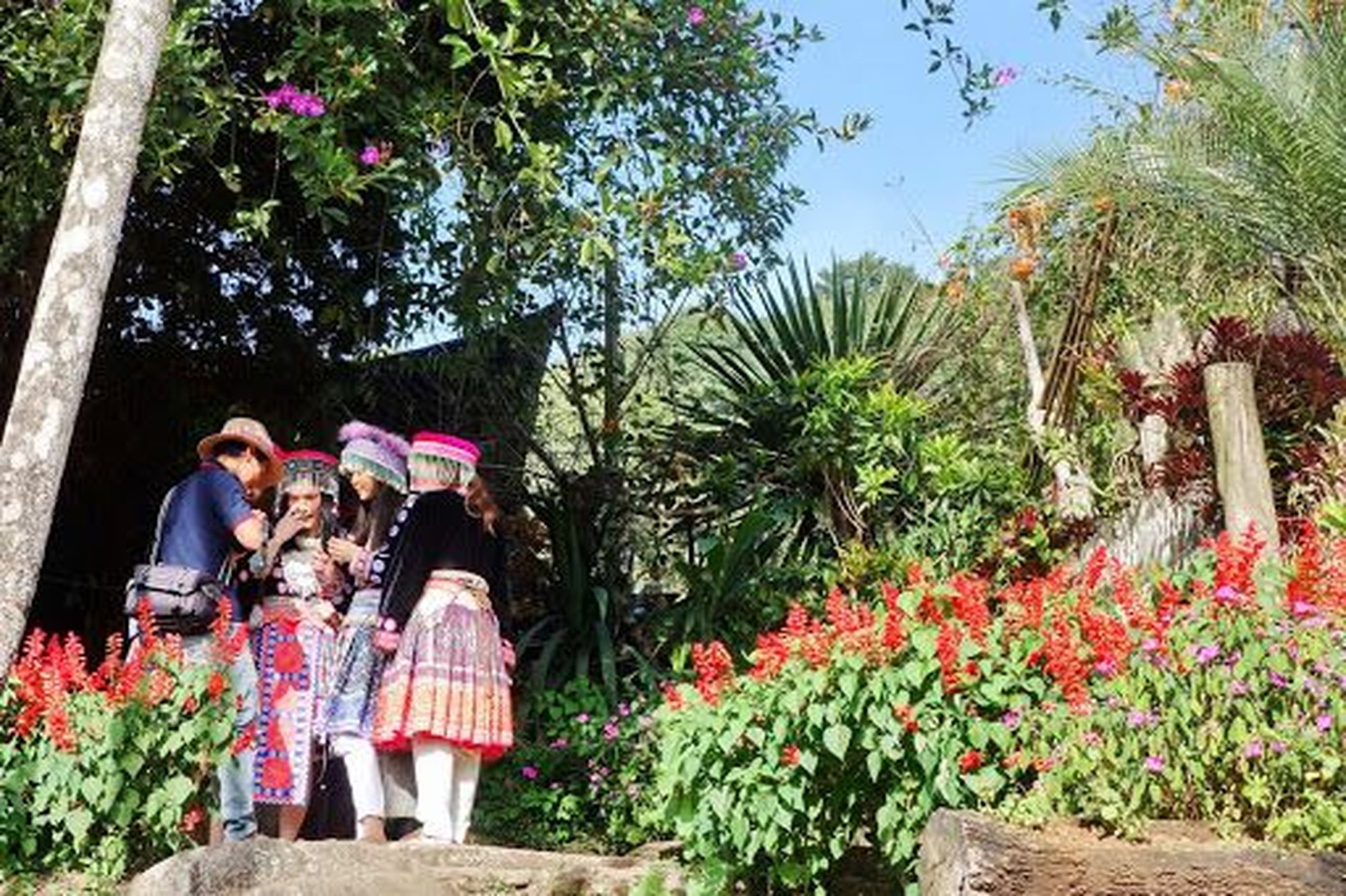
- Key Attractions: Traditional Hmong houses and cultural museum, the terraced Hmong Village Garden filled with vibrant alpine flowers, a small mountain waterfall, Doi Pui Viewpoint overlooking mountain ridges and local tea plantations, traditional tribal costume rental photo zones, and the local handmade crafts market.
Monkey Tips
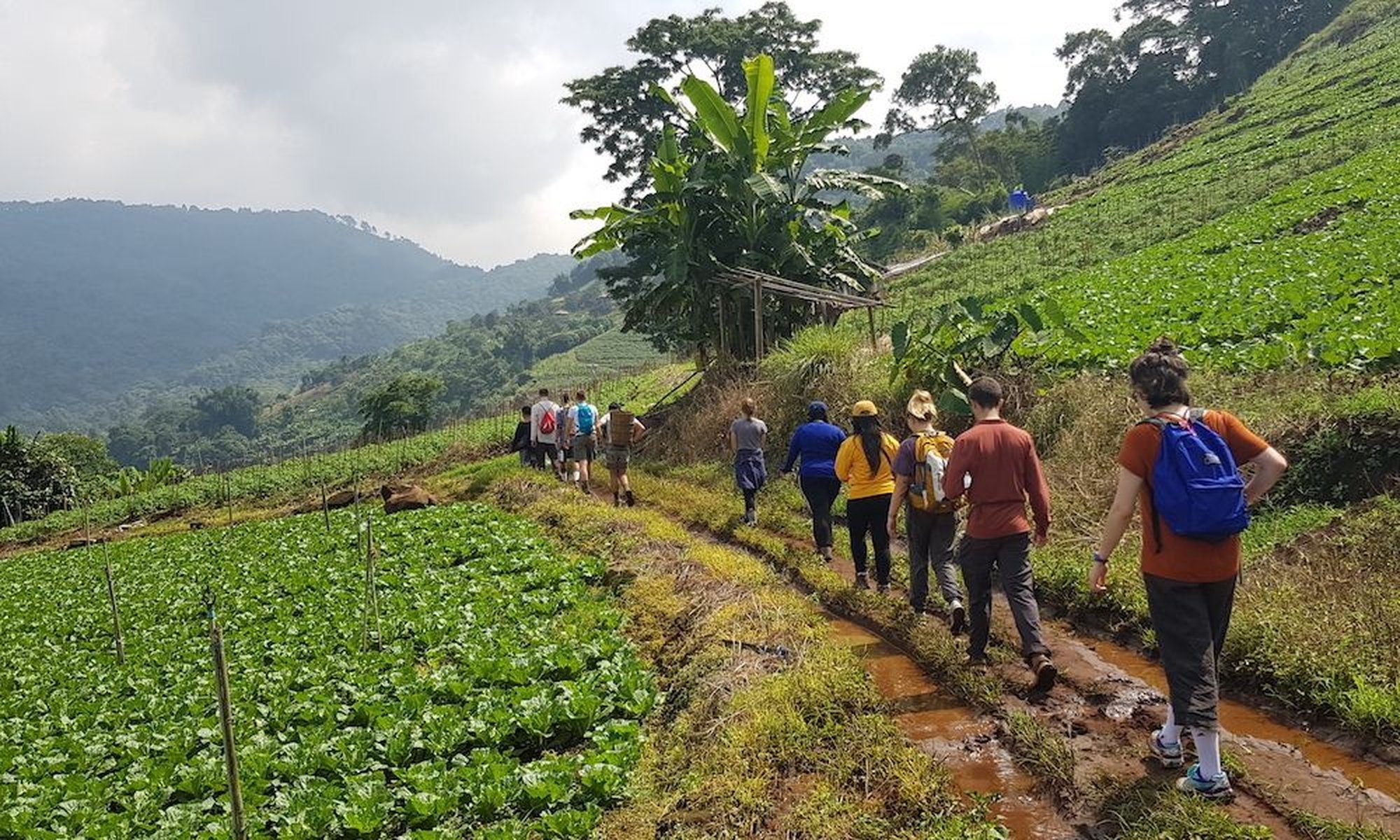
2. The interior layout of the Hmong village features steep slopes, uneven dirt paths, and rustic stone stairs. To prevent slipping and ensure structural comfort, wearing sturdy walking shoes or sneakers instead of loose sandals or slippers is absolutely essential.
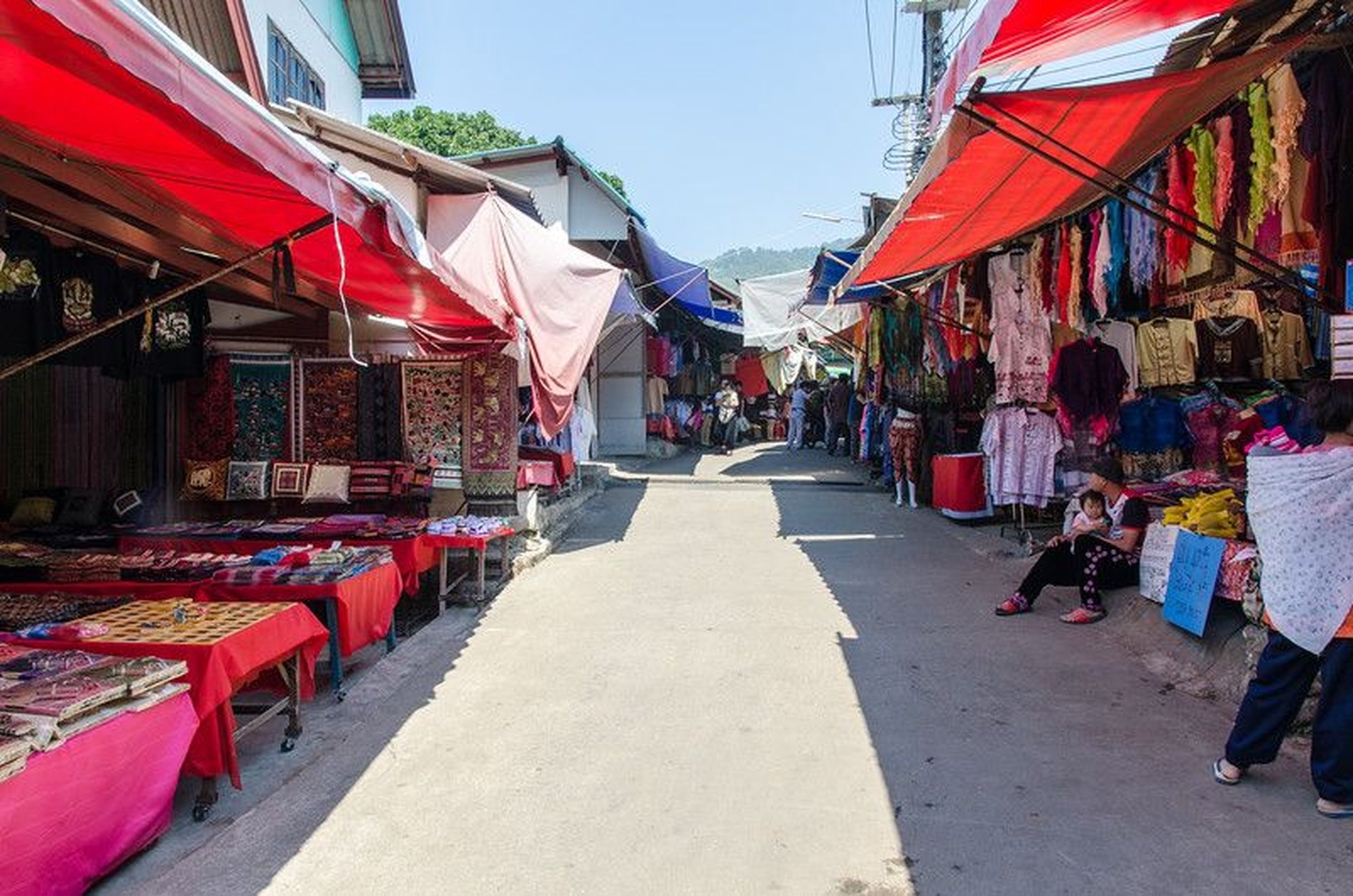
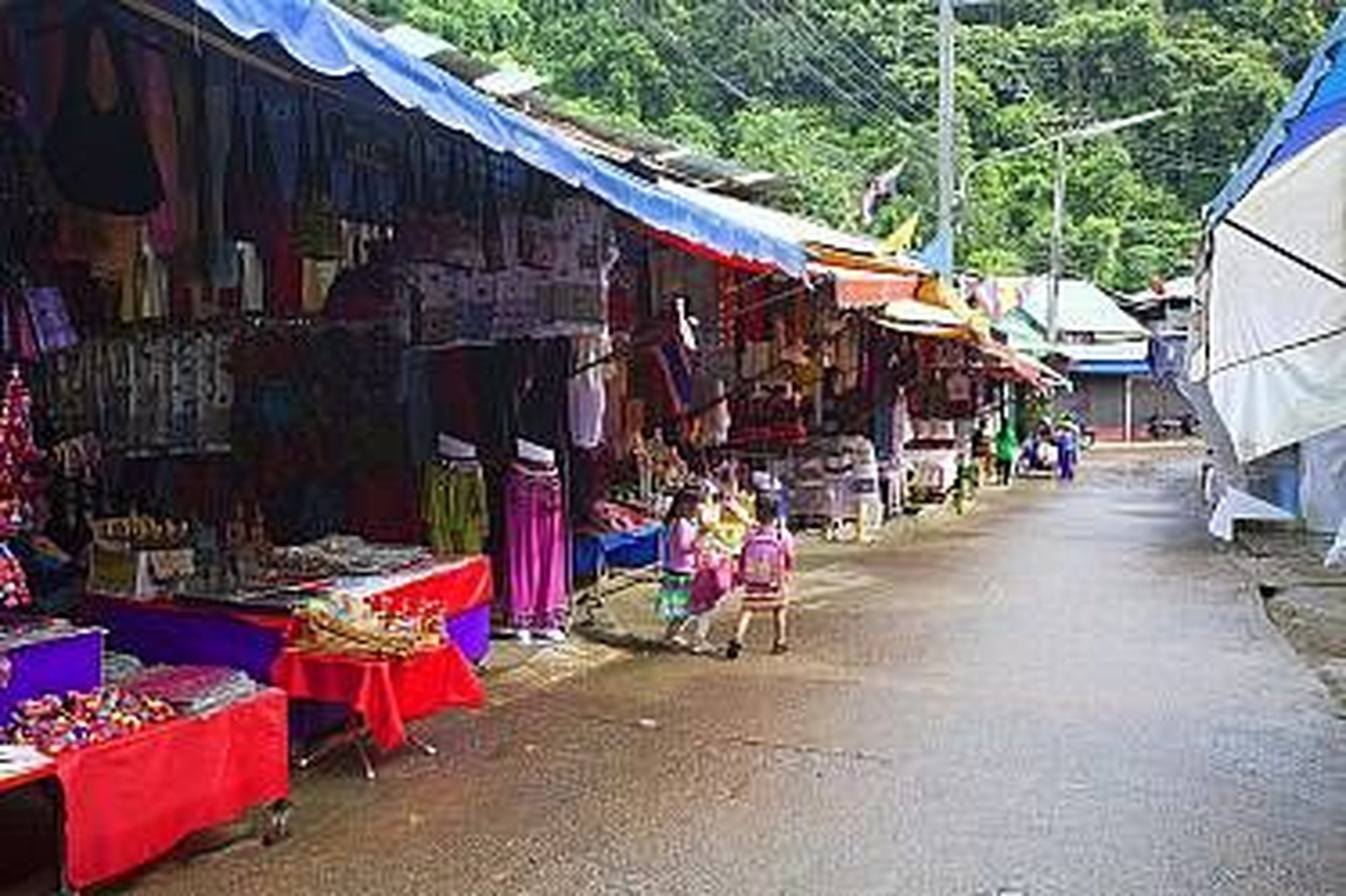
3. The village open-air market offers authentic handmade silver jewelry, indigo-dyed textiles, locally grown high-altitude coffee, and dried herbal teas. Purchasing souvenirs here provides unique travel keepsakes at honest prices while directly supporting the local hill-tribe community's residential economy.
Review Information
A Glimpse into High-Altitude Heritage: Doi Pui Viewpoint & Hmong Village
Slowing Down Among Shaded Ridges, Vibrant Textiles, and the Warm Smiles of a Hill-Tribe Community
1. Journeying Beyond the Golden Temple into the Deep Forest
The vast majority of travelers heading up the winding roads of Mount Doi Suthep choose to conclude their journey at the glistening golden platforms of Wat Phra That Doi Suthep. However, for those who choose to venture further, continuing along a significantly narrower, steeper forest road, a far more grounded and historically rich northern Thai experience awaits. As the tropical air turns distinctly crisp, the road leads to the majestic Doi Pui Viewpoint and the historic Hmong Tribal Village tucked quietly into the mountain basin. It is a destination that offers a profound escape from modern urban tempos, showcasing a simple, enduring form of cohabitation between humanity and nature.
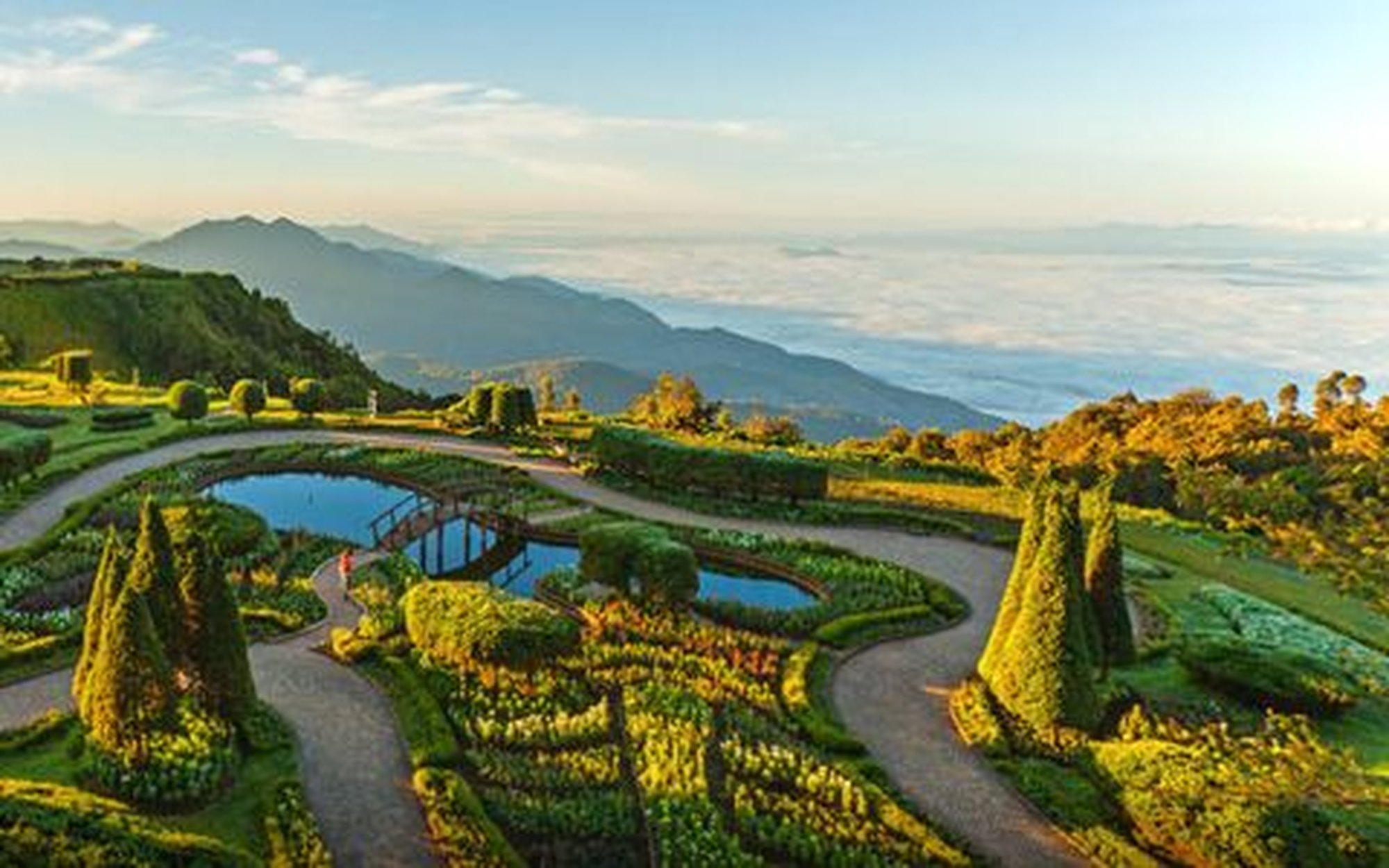
Stepping out onto the viewing deck at Doi Pui Viewpoint, the immediate panoramic vista is breath-taking. Unlike commercial lookouts that highlight glittering city skylines, Doi Pui provides a sweeping gaze over layers of emerald mountain ridges, rolling tea plantations, and the rustic rooftops of the tribal community below. Visiting during the early morning hours rewarded me with a delicate sea of fog rolling gently through the valleys, while columns of golden sunlight filtered through the dense pine canopy. Standing there, inhaling the clean mountain air, the sheer tranquility made the challenging journey up the mountain entirely worthwhile.
💡 Mindful Cultural Etiquette for Travelers
It is critical to remember that the Hmong village is a living, breathing residential community, not a synthetic museum set. Travelers should respect the privacy of local residents by refraining from peering directly into private homes or taking intrusive close-up photographs of children without explicit permission. Additionally, navigating the steep, rustic stone alleyways requires proper, supportive footwear to prevent slipping.
2. Vibrant Textiles and Terraced Blossoms in the Village Heart
Entering the village gate introduces you to a bustling, open-air tribal market running down the central slope. The small stalls are packed with intricate, geometric woven textiles embroidered by local Hmong women, alongside unique silver jewelry and traditional hemp clothing. The raw, artisanal textures of these handmade pieces are incredibly captivating, presenting a stark contrast to mass-produced city souvenirs. Moving past the market stalls leads to the terraced Hmong Village Garden, accessible via a very modest 10 THB environmental maintenance fee.
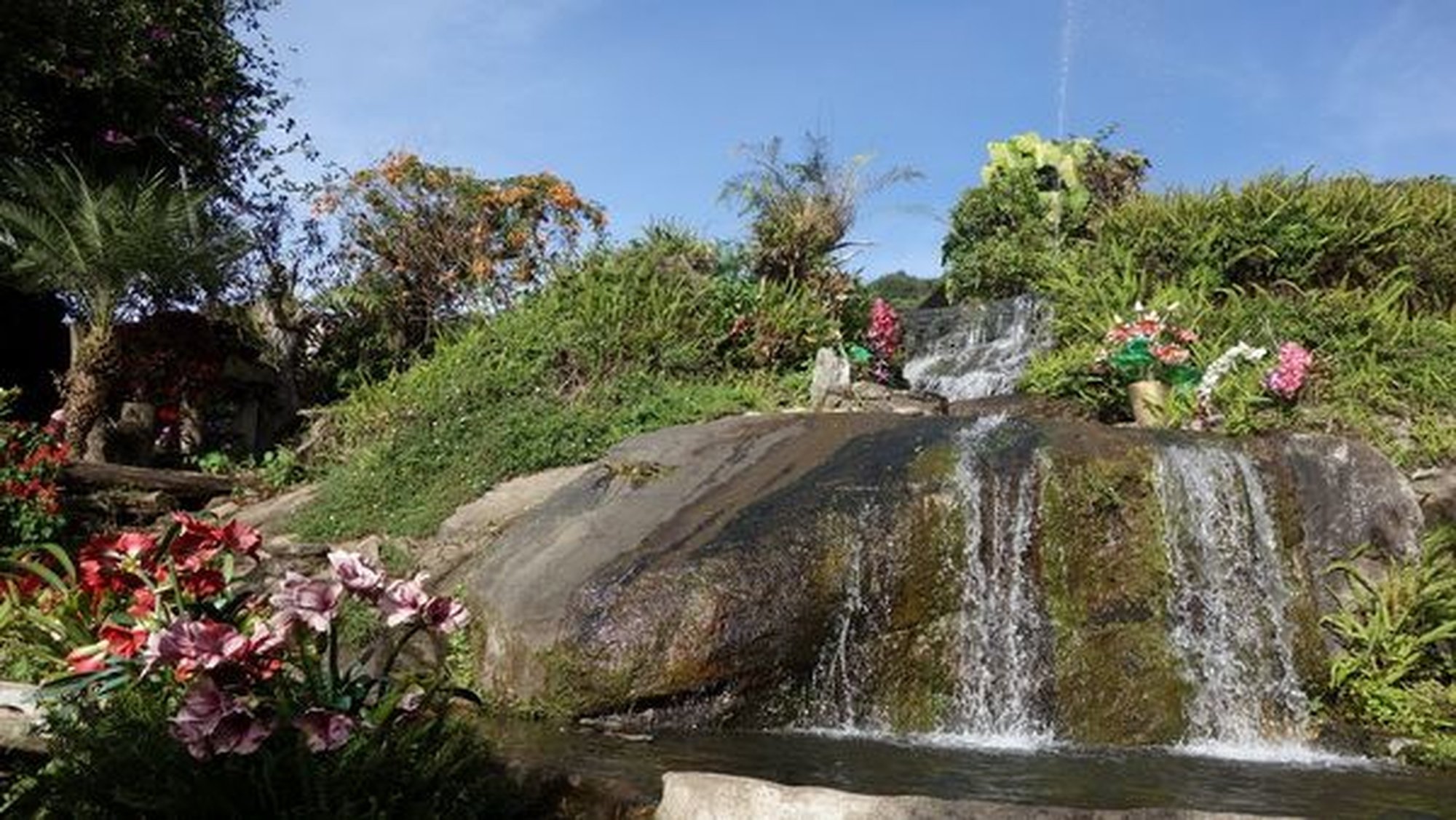
This terraced garden serves as the scenic heart of the entire village. Carved naturally into the steep mountain slopes, it features an array of colorful alpine flora blooming alongside simple wooden pathways. A gentle mountain waterfall trickles nearby, creating a soothing soundtrack that blends with the ambient chatter of visitors enjoying the photo zones. While it deliberately eschews high-end luxury infrastructure, the care with which the community maintains each flower bed and wooden bench radiates a deep, personal pride. Visiting the small, rustic on-site cultural museum also offers valuable insight, showcasing traditional agricultural tools and historical artifacts that explain how the community has preserved its unique cultural identity high in the mountains for generations.
3. Savoring High-Altitude Coffee on the Mountain Ridge
The perfect conclusion to the day was sitting down at a small rustic coffee stall overlooking the valley, enjoying a cup of locally grown Arabica coffee cultivated and roasted by the villagers themselves. Resting on an open wooden bench while the aroma of freshly ground coffee drifted through the cool air provided an incredible sense of peace. Watching the morning smoke drift lazily from the tin-roofed houses against the backdrop of dark green tea plantations offered a profound moment of reflection, entirely clearing the mind of city anxieties.
For those seeking seamless, luxurious resort infrastructure, the Hmong Village might seem a bit rustic and rugged. However, if your travel goals lean toward discovering genuine local warmth, witnessing lived cultural heritage, and enjoying the magnificent, unedited canvas of the Doi Pui wilderness, this mountain village stands out as an indispensable experience. It is a beautifully authentic reminder of northern Thailand's true cultural soul.
The Verdict: An Authentic Harmony of Natural Height and Cultural Depth
Doi Pui offers a beautiful, peaceful contrast to the glittering commercial spots below. The expansive mountain vistas and the quiet dignity of the Hmong community leave an enduring impression. (Final Rating: 4.6 / 5.0 Stars)
Location
Getting there
- Doi Pui Viewpoint and the Hmong Tribal Village are located within the Doi Suthep-Pui National Park, approximately 25 kilometers northwest of Chiang Mai's Old City. To get here, you must travel past the famous Wat Phra That Doi Suthep temple and continue up the winding mountain road for another 7 kilometers. The most popular transport options are taking a shared local red truck (Songthaew) from Chang Phuak Gate or the Doi Suthep temple parking lot, or hiring a private vehicle with a local driver for a half-day charter. Because the mountain road beyond Doi Suthep becomes significantly narrower, steeper, and filled with sharp hairpin turns, driving a rental car or motorbike yourself is only recommended for highly experienced riders. It is tactically best to combine this visit with a trip to the Doi Suthep temple.
Map area
The map loads when you scroll here- Suthep, Mueang Chiang Mai District, Chiang Mai 50200, Thailand
- +66 53 210 244
- 08:00 ~ 17:00
Customer Reviews
Customer reviews
Write a review
Share your experience at this place.Be the first to share your experience!


#content#